


Voices Across ACOI: Carrie Janiski, DO
by ACOI
September 28, 2026
Carrie Janiski, DO, is the President of the Osteopathic Physicians and Surgeons of California (OPSC), as well as Regional Medical Director at Golden Valley Health Centers in California's Central Valley, and CEO and DIO for Valley Consortium for Medical Education, where she oversees residency programs in family medicine and orthopedic surgery. She will serve as one of the keynote speakers at ACOI 2026. Dr. Janiski is board-certified in sports medicine, neuromusculoskeletal medicine/osteopathic manipulative medicine, and family medicine, and is passionate about the osteopathic profession leading the way of well-being in healthcare. Her keynote session, “The Elements of Well-Being,” will explore how the Tenets of Osteopathic Medicine can inform a life of all-around well-being—mind, body, and spirit.
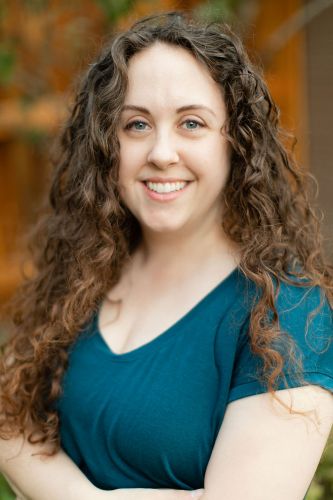 Your keynote at ACOI 2026 is called “The Elements of Wellbeing.” Would you share a brief overview of what you’ll speak about, and why this topic matters to you?
By the end of my lecture, ACOI 2026 attendees will be able to:
1. Describe five components of well-being and their interconnected roles in promoting personal and collective health.
2. Analyze barriers and facilitators of well-being in a dynamic and complex world, and develop actionable strategies to adapt and thrive.
3. Apply evidence-based practices to enhance personal well-being by integrating principles of motivation, physical wellness, mental health, spiritual purpose, and connection to others and the environment.
4. Incorporate the osteopathic tenets of self-regulation, self-healing, and the connection between structure and function into a holistic approach to sustaining well-being.
The topic of well-being matters to me because it aligns very naturally with my personal philosophy of health and healthcare, as influenced and aligned with osteopathic philosophy and yogic philosophy. This topic is incredibly timely as we and our fellow humans navigate an increasingly uncertain and complex world.
What is your definition of well-being? What does being and living well mean to you?
For me, well-being encompasses a healthy balance of safety, equanimity, awe, purpose and joy. I am grateful that, for me, being and living well includes having the safety, security and means to engage with my own core values and the world around me to grow—through both education and experiences.
What was your path into medicine, and what inspired you to become a physician?
When I was in high school, I took on the role of equipment manager for our high school football team because I like organizing things, and because I was friends with the girl who was graduating and vacating that position. I already had the idea that I would eventually go to medical school, but when I started working alongside my high school’s athletic trainer on the sidelines, I found my path.
I enrolled in a CPR/first aid certification and taping/splinting training, then a summer athletic training student workshop recommended by the ATC [certified athletic trainer] who worked at my high school. Her approach was influenced by her time at Michigan State University, where the athletic trainers spend a good amount of time with osteopathic physicians on the Sports Medicine team. This second-degree exposure was the first whiff of osteopathic influence in my journey.
I joined the pre-med interest club when I was in college at Western Michigan University, and one of the first medical school guest presentations was from someone in the admissions department at Michigan State University College of Osteopathic Medicine (MSUCOM). I knew that day that osteopathic medicine was my future.
I completed pre-med coursework alongside an Athletic Training degree and was grateful for all the hands-on experience and human-centered learning that afforded me. I matriculated to MSUCOM, completed a Master's in Kinesiology while there, and then had the wonderful experience of heading back to Kalamazoo—the home of WMU—for a family medicine residency. That was followed by a Plus One Residency in neuromusculoskeletal medicine/osteopathic manipulative medicine (NMM/OMM) at the University of New England College of Osteopathic Medicine, and then a sports medicine fellowship at the University of Michigan/Sparrow Health.
What piqued your interest in the other areas of medicine you’ve studied—especially neuromusculoskeletal medicine/osteopathic manipulative medicine and family medicine?
In medical school, I continued to have a very strong interest in musculoskeletal medicine and sports medicine, and I knew that there were a few different pathways that could get me there. I spent a lot of time around orthopedic surgeons and sports medicine physicians during my time as an athletic trainer and during medical school. I was introduced to and completed elective rotations in emergency medicine psychiatry, as well as orthopedic surgery and family medicine, as the principal pathways to a sports medicine fellowship, which I desired. As I learned more about the characteristics of each of these fields and the people in them, I reflected on my time in athletic training and realized that many of the characteristics that I enjoyed about athletic training were present in primary care, specifically family medicine. I enjoy the wide scope of training and practice in family medicine and being a confidante and primary point of contact for patients over time, as they navigate health concerns, injuries, and a complicated healthcare system. The breadth of training and experience I’ve gained by practicing family medicine has been a joy.
In neuromusculoskeletal medicine, I trained under the incredible faculty at MSUCOM, who absolutely inspired me to continue with my interest in osteopathic manipulative medicine. The hands-on application of osteopathic principles aligns squarely with my own interests and values. I had a choice to make about how many years I wanted to be in training. Ultimately, there were such great programs and opportunities available to deepen my practice, knowledge and skillsets in this arena, that I knew that I would regret it if I did not take advantage of the unique opportunity of an NMM/OMM residency year.
What is your background as a member of and contributor to OPSC—as a committee member, committee Vice Chair and Education Committee Chair, and now, as President?
I moved to California in late 2015. Prior to my official move to California, I flew out for an extra trip in the fall to attend my very first OPSC conference with my friend Stacey Pierce-Talsma, DO, MS-MEdL, FNAOME, who is now Dean of Touro College of Osteopathic Medicine - Arizona. She and I very much enjoy co-presenting, and she had volunteered for me to co-present with her at that OPSC conference. I enrolled as a member and promptly joined the Education Committee serving the OMM subcommittee. After participating on that committee for a couple of years, I was asked to be Vice Chair of the Education Committee to matriculate into the Chair position the following year. I joined the OPSC Board a couple of years later and was honored to be nominated and elected to serve in the Vice President, President-elect, and now President roles.
***
We are honored to have Dr. Janiski join us at ACOI 2026! Whether you're attending the Annual Convention in-person or virtually, you can hear her keynote on Friday, October 9, at 11 AM PT. Interested in attending virtually? Register now!