

Why Medical Education Must Integrate Paramedicine Now
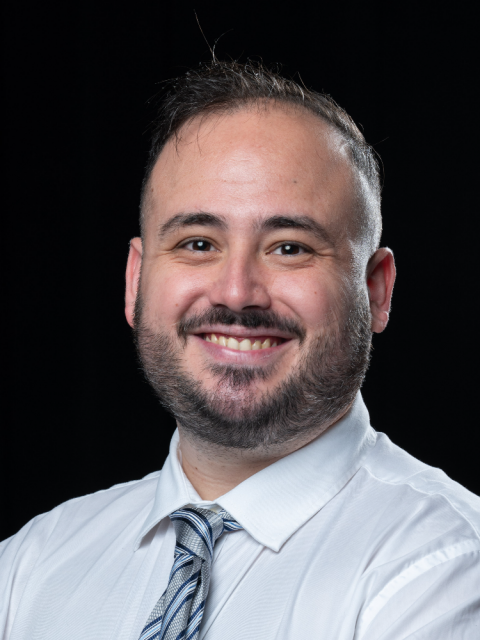
by Michael Foti, DO, FACOI
February 10, 2026
Medicine today is evolving rapidly—not just in what we know clinically, but in where and how care is delivered. For decades, medical training has focused on hospital-based care and outpatient clinic experiences, often sidelining one of the most impactful sectors of modern health care: paramedicine. With the rise of Emergency Medical Services (EMS) fellowships and community paramedicine initiatives, our medical curricula must catch up and meaningfully integrate these paradigms into traditional medical education.
The Prehospital World Is a Core Part of the Health Care Continuum
Paramedicine is not just about transporting patients from Point A to Point B—it’s about clinical decision-making in complex, resource-limited environments. EMS fellows train extensively in pre-hospital and out-of-hospital medicine under structured academic programs. For example, the Johns Hopkins EMS Fellowship emphasizes training physicians in pre-hospital care fundamentals, medical direction of EMS systems, field experience, and system design, preparing them to lead and innovate in real-world emergency systems.
Similarly, EMS physician training outlined in the EMRA Fellowship Guide reinforces that these fellowships equip learners with not only clinical skills, but also system oversight, quality improvement, and policy development expertise. These competencies are increasingly relevant to all clinicians managing transitions of care.
Despite this, many medical students and residents graduate with limited understanding of out-of-hospital care dynamics and the role EMS plays across populations. Integrating such content earlier would broaden clinical perspectives and better prepare physicians to lead in systems-oriented practice.
Community Paramedicine Bridges Gaps in Chronic and Preventive Care
One of the most compelling reasons to integrate paramedicine into medical curricula is the expansion of community paramedicine—programs that deliberately shift paramedics beyond emergency transport into proactive, preventive, and chronic care roles.
According to the CDC, community paramedicine programs help fill care gaps that contribute to unnecessary emergency department (ED) visits and poor chronic disease management, particularly for patients with barriers to primary care access and those affected by social determinants of health (SDOH). Such programs enable paramedics to perform non-urgent home visits, manage chronic diseases, and connect patients with more appropriate care settings—all of which are essential components of modern value-based care.
Paramedics in this capacity are more than just first responders. They are vital sources of community health support who assess SDOH, enhance care continuity, and health outcomes outside the traditional clinical setting. This shift reflects a transformation in how population health can be delivered, reinforcing the need for medical trainees to understand collaborative, cross-disciplinary care models.
Integrated EMS and Health Systems Improve Access and Equity
The public health potential of paramedicine is well documented. EMS systems often serve as the first point of contact for vulnerable populations, including rural residents, older adults, and medically underserved groups.
Physicians who understand paramedicine—from EMS dispatch and response logistics to community outreach—are better equipped to advocate for equitable access and design systems that mitigate disparities. Embedding paramedicine education in medical school and residency curricula would cultivate physicians who can think beyond the walls of the hospital and engage in meaningful system reform.
Training Future Leaders in Systems and Population Health
EMS fellowships are unique in their academic and leadership focus, training physicians to oversee EMS systems, conduct research, and educate the next generation of providers. These are not niche skills. They are core competencies for physicians involved in quality improvement, health system leadership, and community health initiatives.
Yet most medical students have little exposure to EMS system design, medical oversight, or prehospital evidence. Introducing modules on paramedicine—from dispatcher triage to mobile integrated health—would empower future clinicians to think systemically about:
- Care coordination across settings
- Emergency readiness and disaster response
- Community-based interventions and preventive approaches
- Data-driven quality improvement
This aligns seamlessly with the shift in medicine toward population health and integrated care models.
A Call to Transform Medical Training
If our goal is to train physicians who can lead change in today’s health care landscape, we must expand what we teach beyond the clinic and hospital. Paramedicine—including EMS operations, community paramedicine programs, and EMS physician leadership—provides essential context for understanding how care is delivered where patients are, not just where clinicians practice.
By integrating these elements into medical school and residency curricula, we can cultivate physicians who:
- Appreciate the continuum of acute and preventive care
- Collaborate effectively with EMS and public health partners
- Innovate at the intersection of clinical medicine and systems design
- Address inequities in access and outcomes through informed leadership
Medicine is not static, and neither should our education be. Embracing paramedicine within academic medicine is not just forward thinking, it’s necessary for training physicians prepared for the challenges of 21st-century health care.
References
https://www.cdc.gov/ems-community-paramedicine/php/data-research/community-paramedicine/index.html
https://www.hopkinsmedicine.org/emergency-medicine/fellowship-programs/ems-fellowship
https://www.emra.org/books/fellowship-guide-book/8-emergency-medical-services-fellowship
Note: The views expressed in this article are the author’s own and do not necessarily represent the views of ACOI.