

Voices Across ACOI: Harpreet Tsui, DO, FACOI
by ACOI
August 26, 2026
Harpreet Tsui, DO, FACOI, is a board-certified internal medicine physician and the Founder of Coronado Health Direct Primary Care. Direct primary care has allowed Dr. Tsui to support patients in a way equally supportive to her well-being. This October at ACOI 2026, during her session, “Beyond the 15-Minute Visit: Direct Primary Care and the Future of Osteopathic Internal Medicine,” Dr. Tsui will highlight the financial, operational, and clinical benefits of direct primary care, including as related to patient outcomes and physician work-life balance.
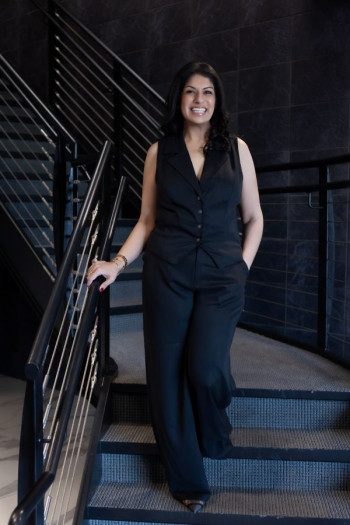
A well-rounded and passionate physician, Dr. Tsui is also an ACOI Fellow, and an Associate Clinical Professor at Touro University Nevada College of Osteopathic Medicine. In a recent conversation, Dr. Tsui shared more about her path into medicine and history with ACOI.
What inspired you to pursue medicine, and osteopathic medicine specifically?
I’ve always wanted to be a doctor. When I was young, I would set up a little clinic in our backyard. I grew up in Florida, and all of my family physicians were all DOs. I thought they were the coolest people in the world.
The first year I applied to medical school, it was only to MD schools in Florida, and I didn’t get in. I started researching my options. My family doctor asked me, “Why not look at DO schools? This is very much who you are.”
There were only 13 DO schools when I applied, so I applied to all of them. When I interviewed at Touro University College of Osteopathic Medicine, I knew I loved the school.
What drew you to internal medicine?
At Touro, I was in the part of our class who spent our third year at Arrowhead Regional Medical Center [in Colton, CA]. During the internal medicine rotation, we followed the interns, and were on call, taking on our own patients. I fell in love with it; it was like being a detective, figuring out what’s really going on with patients and cases.
During residency, I would also worry about the patients when they got discharged—if they had support at home, who was going to manage them. That made me realize I wasn’t built to be a hospitalist or subspecialist. I wanted the chance to build those patient-doctor relationships.
How did you decide to set up a direct primary care practice?
I worked for an employed physician for 11 years before I opened my direct primary care practice. The pandemic shifted everything. When it started, I was working for a large hospital group. My husband [pulmonologist and ACOI member Kevin Tsui, DO] was in the ICU every day, and we had two young kids. I just thought, “I can’t do this.” I felt like I wanted to leave medicine altogether, and that I couldn’t handle what people were saying about us as physicians, or the way we were being treated.
At the time, my former senior resident had a concierge practice and asked for my help. I decided to make the jump. His practice was different from direct primary care, but it was because I worked there that I explored direct primary care. I officially opened my doors in August 2022.
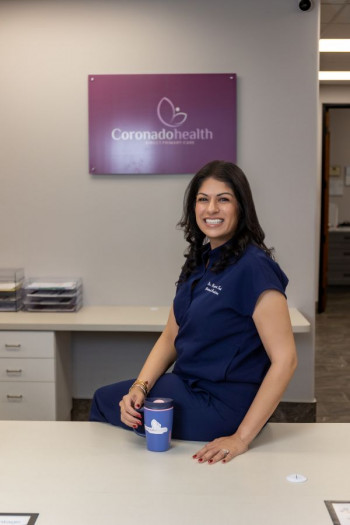
I love medicine, and I love what I do. If I had walked away, that would not have been good for my patients, and I would not have been fulfilled. In the last few years, I’ve had so many of my colleagues across specialties open practices and change how they’re working. I feel that direct primary care allows people to practice in a way where medicine isn’t 100% of their lives all the time, and that allows us to do a better job.
What have you learned from this experience? What do you love about how you practice now?
Now that I’ve been open for years, I can choose my patients. I know the older patients by voice when they call. I address everything personally, because access is what everybody needs from their doctor. When my patients need me, they get me. They have their whole lives to live, and I don’t want them to worry about their health all the time.
Any doctor can give someone a quantity of life—that's the beauty of medicine—but that doesn’t mean quality of life. If I can give someone quality of life and take care of them the way my family doctors took care of me, then I’ve done my job. So, I’m happier, and not burnt out anymore, and my patients are happier, too.
Tell us about your role at Touro University College of Osteopathic Medicine.
I started at Touro in 2011, and took a break between 2020 and 2022, when I opened my practice. I have basically been doing it full-time again since 2022.
When students come in as third or fourth years, they have the medical knowledge. What they need help with is figuring out their lives. I’ll ask them: “What do you want to do with your life? Where do you want to live? Do you want a family? Do you want to travel? What are your goals?” I talk to them about my own path into medicine, being married to a doctor, raising children—what I’ve done to make it work for me. I let them know that, at the end of the day, you’re a doctor. You can always get a job. But that doesn’t mean you have to work where you did your residency forever. Being an outpatient internal medicine doctor, I've had many patients get older and pass away, and they were all glad that they lived their lives outside of work. So, I tell students, pivot your life however you want. You'll always have a career. You only have one life to live.
You’ve been part of ACOI since 2016 and became a Fellow in 2019. What does it mean to you to be part of this community and have that designation?
It’s been fun! I've met so many great people through ACOI. I’ve served on the Climate and Health Committee, too. ACOI is a small but mighty community, and we always watch out for each other.
I remember in 2019, at the women’s reception at the Annual Convention, I got to meet all these older doctors, both Fellows and Master Fellows. Every single one encouraged reaching out. It reinforced that, within ACOI, even people so high up in their field, with lives and careers going on, are still so supportive.
Being inducted as a Fellow is a core memory for me. I have so much pride in putting those letters after my name. My former residency Program Director, Frederick Schaller, DO, MACOI, wrote my letter for my Fellowship sponsorship. This man came into the program halfway through, and there was just something he saw in me. He pushed me a little more. I tended to be a bit quiet and scared then, not wanting to speak my mind, and he believed in me. He was also so pro-ACOI. That just cemented for me how ACOI, as a whole, has a big heart and wants us to be successful and will advocate for that.
Is there anything else you’d like to share?
In medicine, so much is changing. I think it's important for physicians, regardless of where they are in their career, to have mentors. Have someone ahead of you that you can look towards and ask questions. It's important to have someone in internal medicine, especially who can help you and to tell you the truth about what it's really like. One great example of this is Paul Kalekas, DO, FACOI. He's the interim dean at Touro, and he was my attending. I could call him tomorrow and ask him questions if I needed to. I want to get that same openness across as a mentor: that you don't have to do this on your own, and that's why we're here.