

Rediscovering the Joy of Medicine Through Our Residents
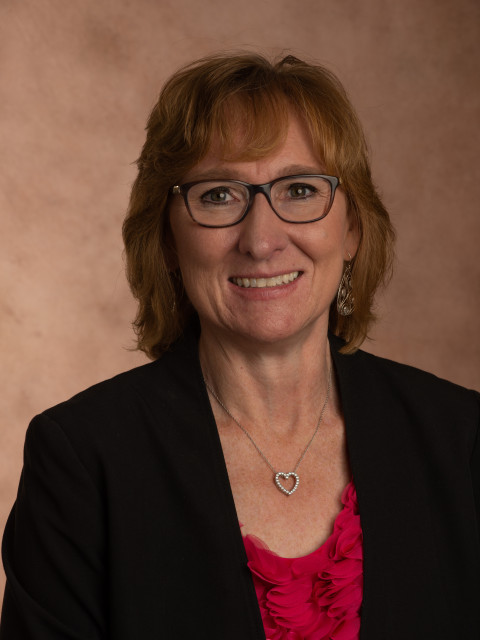
by Joanne K. Baker, DO, FACOI
September 23, 2026
Every July, residency programs across the country welcome a new class of physicians. They arrive in our hospitals with stethoscopes, fresh white coats, nervous energy, and an optimism that has somehow survived exams, interviews, and years of demanding training. As faculty and program leaders, we often focus on what we need to teach them. Yet after many years in medical education, I have come to realize that residents teach us just as much.
I fell in love with teaching when I was a resident myself. From the beginning, I could not imagine practicing medicine without medical students and residents as part of my professional life. Each year, they come from across the country and around the world, joining together as a new intern class. Within weeks, they become colleagues, confidants, and friends who share the joys and sorrows that accompany the practice of medicine. As a program director, mentor, and educator, I have the privilege of witnessing one of the most remarkable transformations in medicine: the journey from a nervous intern with so much to learn to a confident senior resident who leads rounds, guides difficult family conversations, and teaches those who will follow in their footsteps.
Of course, residency is filled with lessons about documentation, regulations, accreditation requirements, and the countless administrative processes required in modern healthcare. Yet what continues to inspire me is the perspective that new physicians bring. They ask questions that more experienced clinicians sometimes forget to ask: Why are we doing it this way? Is this truly the best approach for our patient? Their curiosity challenges assumptions and encourages all of us to think more deeply about the care we provide.
Residents also remind us to see patients as people first. On the front lines of care, they take the time to learn who their patients are and what matters most to them. Their compassion and desire to connect with patients and families help all of us slow down and remain present in the moments that matter. While they quickly discover the realities of prior authorizations, insurance barriers, financial limitations, and the many obstacles that complicate patient care, they have not yet become cynical. Instead, they approach these challenges with determination, creativity, and a belief that there must be a better way.
Some of the most memorable examples of this commitment come from residents who simply refuse to accept barriers as the final answer. I have watched them pay for medications when patients could not afford them, drive patients to the emergency department when transportation was unavailable, and advocate tirelessly until a patient received the care they needed. Their willingness to go beyond what is required is both humbling and inspiring.
Their questions and actions continually bring me back to the reason most of us chose medicine in the first place: to care for patients and relieve suffering. At the same time, they rekindle the intellectual excitement that drew many of us to this profession. Whether we are working through a difficult diagnosis, learning a new procedure, or unraveling a complex clinical mystery, I find joy in watching residents connect physiology, pathology, and patient care. There is something special about seeing understanding emerge in real time as scientific concepts from the classroom come alive at the bedside.
Perhaps most importantly, residents keep medicine fresh. They challenge established practices, introduce new evidence, and bring perspectives shaped by the newest advances in medical knowledge. Our discussions push me to reconsider why we practice the way we do and whether there is a better path forward. Their energy, curiosity, and passion continuously renew my own.
In conversations about physician wellness, we often focus on reducing burdens, preventing burnout, and building resilience. Those efforts are important. Yet one of the greatest sources of renewal in my career has been the privilege of teaching residents. They remind me why medicine matters. They help me rediscover wonder in the science, meaning in the work, and joy in the relationships we build with patients and one another. For that, I am profoundly grateful.
I have come to believe that wellness in medicine is not found solely through what we remove from our work, but also through what we add to it. For me, teaching residents has been one of the greatest gifts of my career. Their idealism, compassion, curiosity, and commitment to patients continually remind me of the physician I aspired to become many years ago. In helping to shape the next generation of physicians, they often end up shaping us as well. And in that shared journey of learning, growth, and purpose, I continue to rediscover the joy of medicine.