

It Is Never “Too Much” to Talk About Mental Health: Why Physician Stories Matter
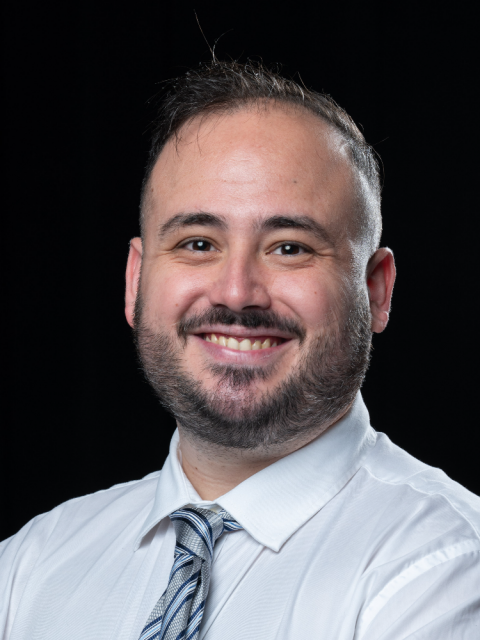
by Michael Foti, DO, FACOI
January 27, 2026
For generations, physicians have been trained to endure. We learn early, and often implicitly, that being resilient means being silent, professionalism means composure, and personal struggle should be managed privately, efficiently, and without visibly disrupting patient care. That means that in medicine, and particularly among physicians, mental health has tended to be treated as something to keep quiet and address only individually. If it’s discussed at all, it’s sparingly.
But that silence has a cost.
That’s a truth that is simple and uncomfortable. But in turn, it’s also true that it should not be “too much” to talk about mental health. In general, and especially not among physicians. In a profession that asks its members to hold the suffering of others every single day, talking about mental health needs to be accepted and even encouraged.
The Weight Physicians Carry
Physicians work in a unique position at the intersection of responsibility, expectation, and emotional labor. We witness trauma, loss, uncertainty, and human vulnerability on a daily basis. We have to navigate complex systems, productivity pressures, and moral injury, all while holding the ever-present fear of making mistakes where there is little room for imperfection.
It’s hardly surprising that many physicians feel that acknowledging emotional distress would signal weakness or professional inadequacy, given this high-pressure environment. Experiences like burnout, anxiety, depression, and grief are often internalized as personal failures rather than regular human responses. The paradoxical result is that healers who are deeply skilled at recognizing suffering in others often struggle to extend that same compassion to themselves.
Why Stories Matter More Than Statistics
In recent years, data on physician burnout and mental health have become more visible, including statistics on depression rates, suicide risks, and attrition. And these numbers are important, but data alone does not create change. Stories do.
Stories humanize what statistics cannot, by reminding us that behind every data point is a colleague, a mentor, a trainee, or a friend. When physicians share their lived experiences of burnout, grief, therapy, and recovery, they help dismantle the illusion that everyone else is “doing fine.” By sharing their stories, physicians can give others the power and permission to speak about their struggles, too. And even for those not yet ready to speak immediately or comment publicly, being able to recognize themselves in a story means their shame can decrease, and the possibility of seeking help can become less frightening.
The Ripple Effect of Vulnerability
This is why sharing one’s story is a form of leadership. There is a persistent myth in medicine that vulnerability undermines authority. In reality, appropriate vulnerability strengthens trust. When senior physicians, faculty, and leaders share their struggles, they demonstrate that mental health challenges do not negate competence, dedication, or professionalism. Instead, they show that physicians can be both highly capable and deeply human.
The more stories are shared, the more resonance they create among other healthcare professionals. And that resonance can lead to action—such as seeking therapy, talking to colleagues, setting boundaries, or simply naming that something feels wrong.
Talking about mental health openly has the added benefit of helping shift institutional culture by challenging stigma, reducing fear of judgment, and reframing help-seeking as a sign of strength and insight. This is the kind of culture change that happens through people: through conversations in workrooms, stories shared at conferences, and leaders who speak honestly. Through blog posts, podcasts, and reflective essays. Through peers who listen without trying to fix. Each time a physician speaks openly, the culture shifts—incrementally, but meaningfully.
When it comes to the role of the media in amplifying these stories, professional organizations, journals, and wellness platforms can all help normalize conversations that many physicians feel afraid to initiate. But it’s important not to focus on sensationalized endpoints, such as workforce shortages, productivity loss, or tragic outcomes. What matters is giving attention to the lived experiences of physicians navigating mental health challenges and finding recovery. We need stories that show physicians accessing therapy, taking leave, finding community, rediscovering purpose, and redefining success. These stories challenge the binary thinking that physicians are either “strong” or “struggling.” Because in reality, strength often emerges through acknowledging struggles.
An Osteopathic Perspective on Wholeness
Osteopathic medicine has always emphasized the unity of mind, body, and spirit. This philosophy is more than an abstract concept—it is a call to action. If we truly believe in treating the whole person, we must include ourselves in that commitment.
A dysregulated, depleted, or emotionally isolated physician cannot sustainably provide optimal care, no matter how skilled or dedicated they are. When we care for our own mental health, we enhance our capacity for empathy, presence, and connection, and become better clinicians, educators, leaders, and colleagues.
Medicine is a field that often asks for self-sacrifice. But unchecked self-sacrifice becomes self-neglect. The idea that physicians must be endlessly resilient is neither realistic nor humane. We are not machines; we are people who carry stories, emotions, and histories into every patient encounter. To heal others while neglecting ourselves is not noble—it is unsustainable.
True professionalism includes self-awareness, self-care, and the courage to ask for support when needed. It means recognizing that tending to our mental health is integral to our identities as physicians.
A Collective Responsibility
The responsibility to address physician mental health does not only rest on individuals. Institutions, professional organizations, and medical communities must continue to create safe spaces for dialogue, reflection, and support. Within those spaces, individual voices and stories can be shared.
Every story shared is an invitation. Every honest conversation is a lifeline. Every acknowledgment of struggle is an act of solidarity.
It is never too much to talk about mental health—especially among physicians. If anything, it is the conversation we need most. Because the more we share, the more others will recognize themselves, feel seen, and feel safe to seek help. Together, that’s how we can create a more sustainable, compassionate, and human profession, one guided by the truth that healing others begins with being able to heal ourselves.