

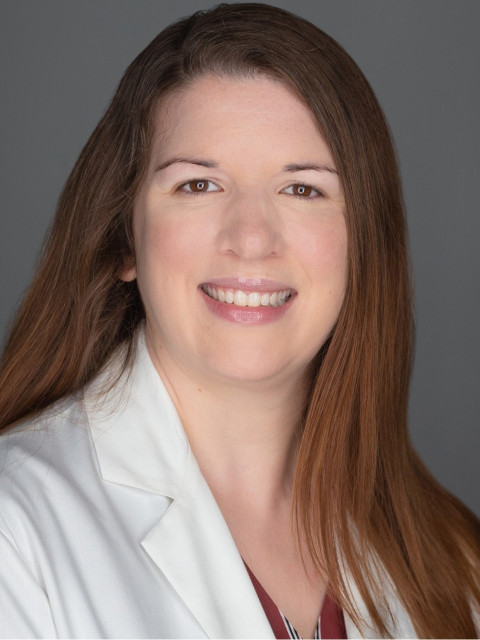
Choosing Wellness, Choosing Family: Reflections from a Palliative Care Physician
by Meghan Haas, DO
May 28, 2026
Over the past year, I have been on a personal wellness journey that has reshaped my life and my priorities in ways I did not expect. Over a year ago, my father was diagnosed with metastatic lung cancer and unfortunately passed away within three months. As a palliative care physician, I am used to walking beside patients and families through serious illnesses and end of life. I talk every day about goals of care, values, and what matters most when time is limited. Living that experience as a daughter was very different.
During those three months, my world narrowed to what truly mattered: time with my father, time with my family, and small, ordinary moments that suddenly felt sacred. A quiet conversation. Sharing a meal. Simply sitting in the same room. The kinds of moments we often encourage families to prioritize, but can easily overlook in our own lives.
In the months after his death, I found myself asking the same questions I ask patients and families:
- What matters most to you now?
- How do you want to spend the time you have?
- What will you wish you had done differently when you look back?
The honest answers kept pointing in one direction: toward my family and the need to be closer to them, both physically and emotionally. After much reflection, planning, and many hard conversations, I made the difficult but meaningful decision to leave my role and my life in Tampa, Florida, and relocate to Northern Virginia to be closer to family. This has not been an easy choice. Tampa has been home to me, and a place of professional growth and connection.
At the same time, this season of life has made it clear that wellness is not just about how we care for ourselves on the margins of our work. It is about alignment—making sure our daily lives reflect our deepest values. For me right now, wellness means prioritizing connection and being present with the people who have known me my whole life, especially as we all adjust to the loss of my father. It is also important to recognize that I, too, need a support system as I continue to navigate grief. I want my personal choices to reflect the same values-based decision-making I encourage in patients and families.
I share this not only as an explanation of my transition, but as an invitation to all of us in clinical roles. We spend our days helping others clarify what matters most. It is easy, in the intensity of clinical work, to postpone that same reflection for ourselves. If my experience has reinforced anything, it is this: life is shorter and more fragile than we think—even when we already know that professionally. Wellness sometimes asks us to make brave, uncomfortable changes so that our lives better match what we say is important.
My hope in sharing this is to normalize these conversations among colleagues and to gently encourage each of us to pause, reflect, and ask: Where is my own well-being asking for attention or change? As clinicians, we do this work because we care deeply about the lives of others. Wellness also means allowing our own lives, our families, and our values to matter just as much.